|
August 3 - Level 3 Wine Workshop
Hartford 9:30 - 3:00 pm. This is the quarterly workshop I host for all Level 3 candidates. It is the best opportunity to get to taste and learn with me directly for this course. We cover multiple flights of wine all designed to help you calibrate to the WSET tasting style as well as give you a primer on the exam and what to expect for this. We also cover some theory as it relates to tasting. Open to all students currently enrolled in a Level 3 course, or anyone wishing to experience the WSET Level 3 Systematic Approach To Tasting. We always have extra room. Use this link to sign up if you are not already attending. Next workshop will be Oct 19. August 10 - Level 3 Spirits Workshop Hartford 9:30 - 3:00 pm. This is the quarterly workshop I host for all Level 3 candidates. It is the best opportunity to get to taste and learn with me directly for this course. We cover multiple flights of wine all designed to help you calibrate to the WSET tasting style as well as give you a primer on the exam and what to expect for this. We also cover some theory as it relates to tasting. Open to all students currently enrolled in a Level 3 course, or anyone wishing to experience the WSET Level 3 Systematic Approach To Tasting. We always have extra room. Use this link to sign up if you are not already attending. Next workshop will be Nov 9. Enrollment Deadlines Please use this link to find access to the enrollment pages for each of the classes listed below WSET Level 1 Beer Class running Aug 26, 2024 > Sep 22, 2024 (enrollment deadline Aug 18) Class running Sep 23, 2024 > Oct 20, 2024 (enrollment deadline Sep 15) WSET Level 1 Sake Class running Sep 2, 2024 > Sep 29, 2024 (enrollment deadline Aug 23) Class running Nov 4, 2024 > Dec 1, 2024 (enrollment deadline Oct 27) WSET Level 1 Wine Class running Aug 5, 2024 > Sep 1, 2024 (enrollment deadline Jul 28) Class running Aug 19, 2024 > Sep 15, 2024 (enrollment deadline Aug 11) WSET Level 2 Wine Class running Aug 5, 2024 > Sep 8, 2024 (enrollment deadline Jul 28) Class running Aug 19, 2024 > Sep 22, 2024 (enrollment deadline Aug 11) WSET Level 3 Wine Class running Aug 5, 2024 > Oct 6, 2024 (enrollment deadline Jul 28) Class running Aug 26, 2024 > Oct 27, 2024 (enrollment deadline Aug 18) WSET Level 1 Spirits Class running Aug 19, 2024 > Sep 15, 2024 (enrollment deadline Aug 11) Class running Oct 28, 2024 > Nov 24, 2024 (enrollment deadline Oct 20) WSET Level 2 Spirits Class running Aug 5, 2024 > Sep 8, 2024 (enrollment deadline Jul 28) Class running Sep 30, 2024 > Nov 3, 2024 (enrollment deadline Sep 22) WSET Level 3 Spirits Class running Aug 5, 2024 > Oct 6, 2024 (enrollment deadline Jul 28) Class running Nov 18, 2024 > Jan 19, 2025 (enrollment deadline Nov 10)
0 Comments
This past week I had the opportunity to sit down with Gianluca Bisol, the 23rd generation head of the famed Bisol winery in the Valdobiadenne region of the Veneto in Italy - home to the finest Prosecco made. Tasting the Cartizze, which is a single vineyard expression of Prosecco, it is shocking to me how little the drinking public knows of these fantastic wines. Sparkling wine at the very highest level and simply delicious. The important factor to know about Prosecco, as opposed to Champagne which is the standard bearer of quality in sparkling wines, is that Champagne is based around a yeast forward aromatic and taste profile. Prosecco does not involve a second fermentation, and so the focus on this style is the fruit and grape in the bottle - which is Glera. For those looking for a glorious bottle of wine that easily competes with the top sparkling wines of the world, take a look at the rare but available Cartizze offerings from any producer - they are all good. If you happen to find a bottle fo the Bisol Cartizze - then all the better for you. Here is my conversation with Gianluca... STANDARD EXAM DATES FOR 2024/2025 ACADEMIC YEAR
I am posting this information as I get a lot of students inquiring about exam dates, and often about alternative exam dates. Here are a few key points about WSET exams and why we are sometimes not able to process requests. I am also going to address the time frames fro each exam results as we have been experiencing this past year.
To begin, I think it important for students to understand what WSET is and why it can sometimes take a little time to get results back. The acronym WSET stands for Wine & Spirits Education Trust. WSET is a British-based organization that was begun in the late-1960s to standardize and educate the British drinks trade - at the time it was mainly wine, but spirits were included in the curriculum. Expanding to a global presence over the past 50+ years, WSET has evolved into the largest educational and qualification program in the world with a specific focus on the drinks industry. Because they operate across such a vast region, there has been a need to keep the standards very high and the material updated routinely. What does this mean? First, it means that WSET is accredited and follows certain standards in educational delivery to maintain it place in the trade, both in Europe and beyond. This is done by reviewing all of the course material and delivery methods, certifying educators and the teaching process, with routine reviews and updates, as needed. They also are certified and reviewed by a third-party system, that acts as a check in the whole process and ensures students everywhere are receiving the same material and exam certifications, as well as course delivery standards. In becoming an Approved Program Provider, I had to attend and pass certain ETPs (Educator Training Programs), after passing the various qualifications I was interested in offering through my school. These ETP programs involve training and testing at the highest level, and challenge all educators to understand the delivery of the course as well as the standards expected for handling exam material, personal information, and building an affiliated program under the WSET umbrella. In Europe WSET is considered something similar a vocational educational program where people working in the drinks or restaurant trade are expected to have passed certain levels in order to take a job, for instance. This is why the exams are held under strict exam conditions, and why sometimes it may take some time to receive your results. For this we apologize, but WSET is processing thousands of exams on a monthly basis from students learning all over the globe. As such, we generally advise and have experienced the following exam results return time frames. This is only a general guide base don what we have experienced, and actual return of gradelists may be more or less in length. For online exams (Level 1 and Level 2) - we have been getting exam results back the week following the exam. In our program, Saturdays are the standard day to sit an exam, and we are getting results back on the following Wednesday, often. This is the best scenario for quick results, and if you are outside of the Hartford area, which is where we are almost always offering exam sits. For In-person Exams (Level 1) - these are generally returned in 3-4 weeks. For In-person Exams (Level 2) - these often take about 6 weeks for grades. We have had some exams come back in line with the level 1 timeframe, but that is not always the case. What this means is that if you need a result back fairly quick, taking the online exam will be your best option. Just keep in mind that we WSET bills us an extra fee for the third-party monitoring that occurs with all online exams, and this is sometimes reflected in our course tuition fees. For Level 3 Exams - both wine and spirits - these are always taken in-person as there is a tasting component to the exam and you just be present to sit this portion of the exam. Generally speaking, we are getting exam results back in about 8-10 weeks. All in-person / written exams have to be consolidated and shipped via DHL to London for processing. The Level 3 exams are initially graded (tasting section) here before sending to London for final review and grade processing. But, the written theory exam sections are sent to London and then on to WSET grading experts for processing. This is the part that takes time as each exam has to be reviewed (sometimes deciphered) and then processed for grades back to WSET in London. At which time the results of the tasting and theory portions are consolidated and the gradelist is sent to us. We generally turn all grade lists around and notify students as soon as possible of their grades. Until we receive the final gradelists, there is little we can do to make the process go any faster. Patience is a virtue, of course, but waiting does suck - and we get it. We are stuck with the WSET process, which I will argue has gotten much better over the past couple of years. They really have been working hard to step up the return times. It's really a matter of volume and who is available to grade these papers - of which there are thousands, in a multitude of languages. FINE PRINT ON EXAM DATES & POLICIES Please note, cancelling or rescheduling an exam once your class has commenced, will result in a $35 administrative charge. Cancelling or rescheduling an exam within 16 working days of the exam date will result in the $35 administrative fee plus a new exam fee (this is the same as the re-sit fee for your respective class and exam type). We apologize for this inconvenience but WSET is fairly strict with its registration deadlines and these time frames are out of our control. We work with our students to ensure they are aware of all dates, but please mark your calendars with all relevant dates/times. WSET requires us to post and associated exam date on each course offering. Students do have the ability to select an alternative date for their exam, but as detailed above, must do this befor ethe class begins or there will be fees associated with the rebooking. For students that are unable to sit an exam due to an emergency or medical situation, WSET does have a review process for these situations. Please be prepared to validate your appeal for an alternative date with a doctor's note or other relevant information - or at the very least a detailed explanation of the circumstance. A busy life does not qualify, but illness, family emergencies, and the like are often dealt with fairly and a new exam date will be offered without penalty. PLEASE let us know as early as possible if you are unable to make and exam for any reason.  As we approach the end of July a full effort is underway to load in the new calendar of course offerings to the website and make available for new and return students to enroll. This is an annual effort that we have undertaken now for the 7th year running. We are quite proud of the fact that we continue to be able to offer students the opportunity to continue their educational process in the beverage world, no matter what your level of involvement or need is - whether that be a causal interest for personal enrichment, or as part of a career path in the drinks industry.
WSET operates its academic calendar from Aug 1 to Jul 31, each year. That means all current, new course enrollments are in the new year. This should basically be a seamless process for students and I only mention it because we are still working to load up the new offerings, and so there may be a few gaps here and there if you are searching for a specific course. This should be rectified over the next few days or week, and all courses for 2024/2025 will be on the website and registrations will be available. Please let me know if something is missing - I am happy to review and send a link to get you on your study path. One of the major projects that is associated with this process is the building of our academic calendar and when we will host exams, workshops, and other offerings. There will be a post following this one with regard to the dates for the Level 3 Wine and Level 3 Spirits Exam Prep and Tasting Workshops for the up-coming year. I host one of each of these learning days every quarter of the year, so please look at that listing if you are interested in attending a workshop as an enrolled Level 3 student (included with your course tuition) or as a prospective Level 3 student interested in learning more about the exam and tasting aspect at the advanced levels. We will also have a post explaining the process for our exam dates, and the options students have to utilize these dates or chose and alternative date. Please read on for this info. Through the course of my work week, I do a lot of staff trainings and pre-meal education. The restaurants I work with sell a lot of oysters and other seafood, so we are often discussing the wine pairing options for this end of the culinary world. Below are some notes I have used this week for pre-meal meetings, and which I think are great suggestions for this time of year.
What wines work best with Oysters? I like to seek out bright, acidic whites, such as unoaked Chardonnay, Muscadet, Albariño, Pinot Gris, and Sauvignon blanc of all types. The lively acidity in these wines can play against the oysters' richness, and these wines help cleanse the palate, allowing the mollusks' delicate merroir or unique brine or 'liquor' to shine through. Here is a quick article I came across with video on Somm TV, and in this article, they share three tips to elevate your oyster and wine experience... https://mag.sommtv.com/2023/05/oyster-and-wine-pairing/ How to Pair Oysters and Wine Like a Pro - SOMM TV Magazine mag.sommtv.com If you are in a position where you are conducting your own pre-meal meeting and guiding the discussion as a lot of our students are often doing, then here are some examples of wines that pair well with oysters and the one-line notes every server should know when discussing with a guest... Sauvignon blanc A light-bodied white wine that's high in acidity making it crisp and refreshing, this wine pairs well with oysters because of the citrus notes, similar to a squeeze of lemon. Can also pair well with cheese, fresh herbs, and delicate fish. Sancerre Sancerre is Sauvignon blanc from a special area in central France. This wine has crisp flavors that are fresh with hints of chalky wet stone, and the acidity is balanced with citrus hints. Champagne The smooth texture and pleasant taste of Champagne combines well with the rich, salty taste of oysters. Prosecco A great alternative to Champagne, Prosecco has an inherent melon fruit flavor that pairs with more delicate oysters. The refreshing, frizzante is a palate cleanser. Chardonnay A crisp, acidic, cool-climate chardonnay pairs well with freshly shucked oysters served with a squeeze of lime or lemon. A slightly oaky chardonnay can work well with meaty, warmer region oyster, as it will add and compliment the texture. Chablis Chablis is made from Chardonnay and often does not see any oak aging. These wines are very distinct with high acidity and minerality, and pair really well with oysters and other shellfish. Muscadet A very dry white from western France, with hints of citrus and loads of minerality, this wine makes a great blank canvas for most shellfish and seafood - especially raw oysters. Riesling A highly aromatic wine (think white peach, nectarine, and lime) that can span a broad range of styles, being produced in both dry to off-dry and light to full-bodied variations, the dry versions pair quite well with raw oysters. Albariño A classic seafood white wine from northern Spain, this grape is often likened to Riesling for its vibrant acidity, but it has more texture that is closer to an un-oaked Chardonnay. Albariño is grown on the coast and is a natural seafood wine. Pinot Gris / Grigio Pinot Gris from Alsace and Oregon are textured and dry with great flavor intensity as well as acidity to pair with meaty styled oysters. Pinot Grigio from the Veneto (delle Venezie) in Italy can be a crisp, clean, neutral foil for delicately flavored oysters, while Pinot Grigio from Alpine regions of Italy (Trentino, Collio, Friuli) can be more intense with mouthwatering texture, perfect for briny New England cold-water oysters. Rosé Most of today's best bottles have a balance of acidity and delicate red fruit that won't overpower delicate flavors in oysters. Rose can also transition to other parts of the meal, such as salads, appetizers and lighter mains.  Rob McCaughey, head of WSET Americas for Spirits, and one of the content creators for the program, is in the process of hosting a series of zoom presentations covering the entire course material for L3 Spirits. This is being done through the current spring of 2024 session of the L3 Spirits online class that begins April 8, 2024.
Rob has agreed to provide recordings of these sessions for anyone who cannot attend the active zoom meetings and / or wishes to review the material at a later date. We have added the links to the YouTube channel in our L3 Spirits Student resource material, under our member portal. As Rob drops each of the recordings, we will make sure the links are available for anyone wishing to take advantage of this great opportunity. Please reach out if you wish to access this material and we will send verified users a link. As a reminder our next Level 3 Spirits course is taking current enrollments. The online sessions begin July 8, but anyone who enrolls between now and then will have the opportunity to access and join Rob's Zoom sessions, as well as all of the study material on our resource page in order to get you ready for your studies and eventual exam. Level 3 Spirits Enrollment page  New England Wine Academy is thrilled to be able to offer the brand new WSET Beer Certification program. This newly released Awards program has only just been rolled out as of February 2024, and we are one of the first in the country to bring this course to beer enthusiasts.
The Level 1 Beer Certificate provides a great intro to the world of beer. You will learn through sight, smell and taste, you’ll become familiar with a range of beer styles and how they are made. If you work with beer, you’ll be able to answer customer queries with confidence and provide helpful recommendations. If you’re learning for fun, you’ll feel inspired to explore new styles and know how to get the most out of every glass. As with all WSET certifications, the Beer program has been developed to meet the highest level of educational needs and expectations by the drinks industry as well as global educational standards. Building on a base of theory and understanding from the ground up is key to the programs, and allows students to progress through the levels with a comprehensive foundation that complements practical tasting as well as theoretical knowledge. Current offerings are delivered via the Canvas online educational platform, and allow students to learn at their own pace over the four weeks and six modules involved in each starting date. Students will learn how beer is made, all about the base material for making beer, including hops and yeast, and then work through modules on various beer styles and understanding their characteristics, and then round out the learning process with some tips on storage and proper service of beer. Level 1 delivers a solid foundation that will allow students to progress to higher levels. Classes start every two weeks through the academic calendar. Please contact New England Wine Academy with any questions, and see our enrollment page using this link. Beer 1 Online Course dates are outlined below. Course enrollment deadlines are highlighted in red. Mar 11, 2024 > Apr7, 2024 (Mar 3) Mar 25, 2024 > Apr 21, 2024 (Mar 17) Apr 8, 2024 > May 5, 2024 (Mar 31) Apr 22, 2024 > May 19, 2024 (Apr 14) May 6, 2024 > Jun 2, 2024 (Apr 28) May 20, 2024 > Jun 16, 2024 (May 12) Jun 3, 2024 > Jun 30, 2024 (May 26) Jun 17, 2024 > Jul 14, 2024 (Jun 9) Jun 1, 2024 > Jul 28, 2024 (Jun 23) Jul 15, 2024 > Aug 11, 2024 (Jul 7) Jul 29, 2024 > Aug 25, 2024 (Jul 21) February is always an interesting time of the year for me. It's a short month so there is always pressure to get a lot accomplished in what seems even less time than a normal month - I think it has to do with Valentine's Day, which for those of us in the restaurant industry always puts a big mark in the middle of the month. It's a lot of prep and planning as well as marketing and then finally the execution to maximize sales.
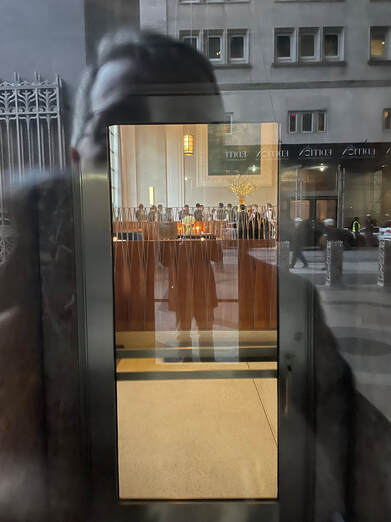
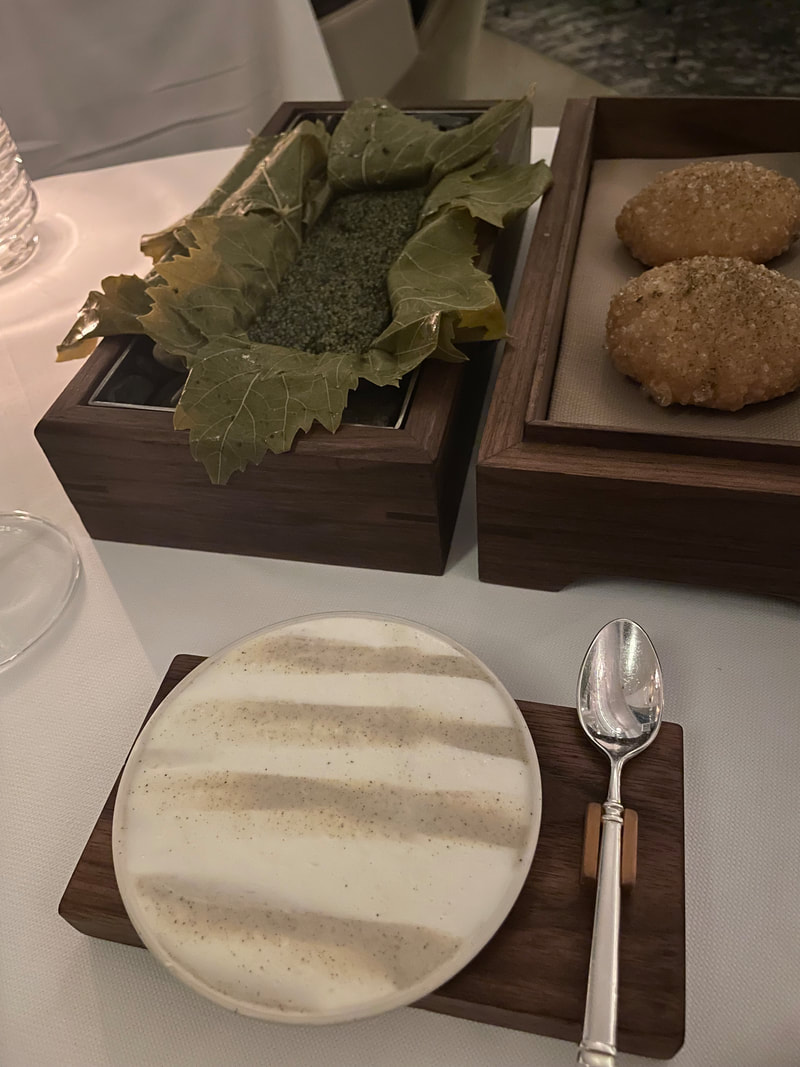
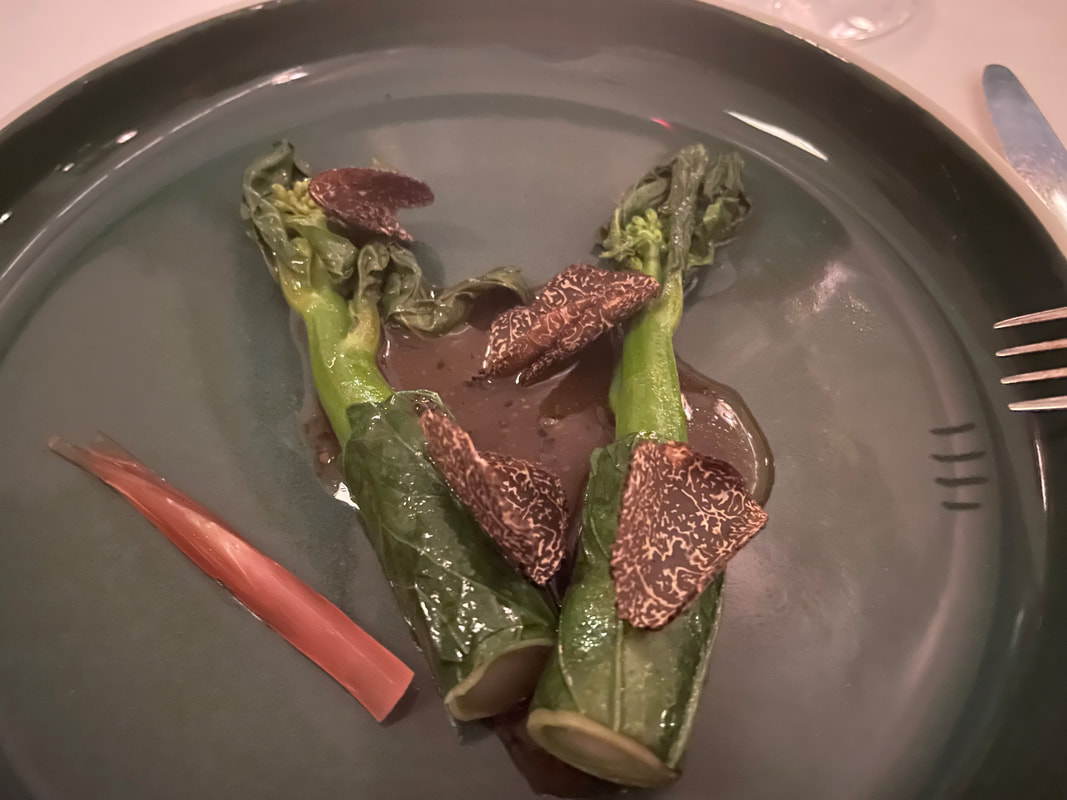
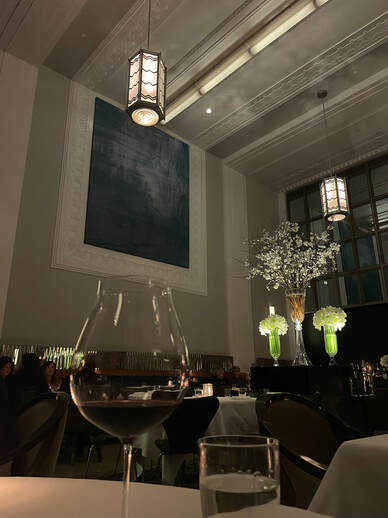
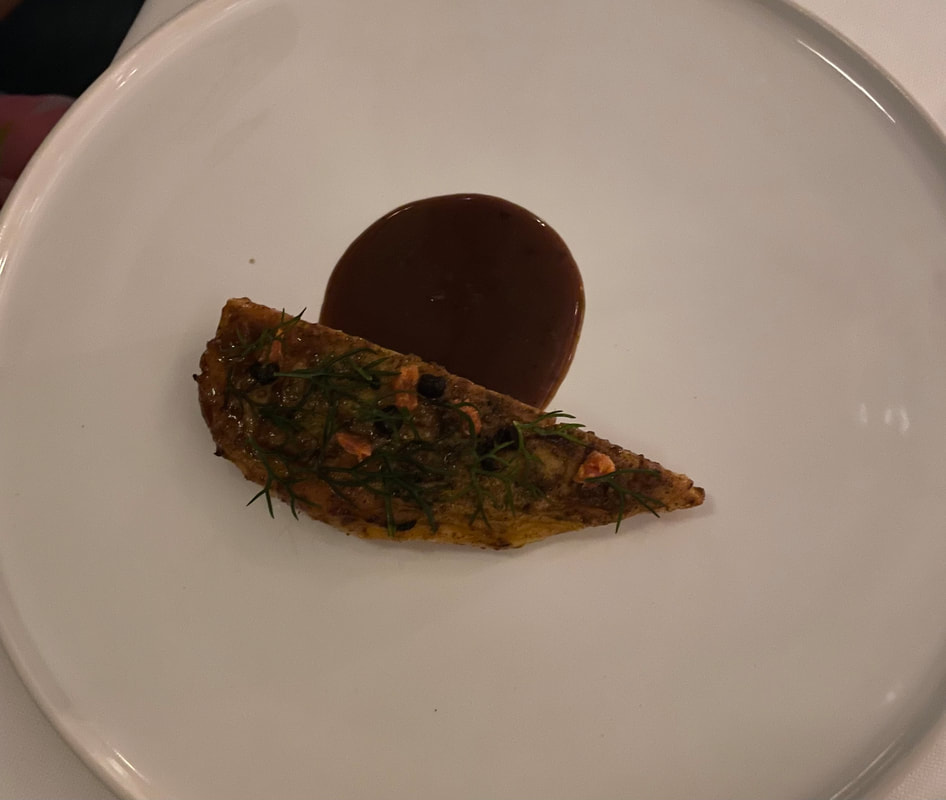
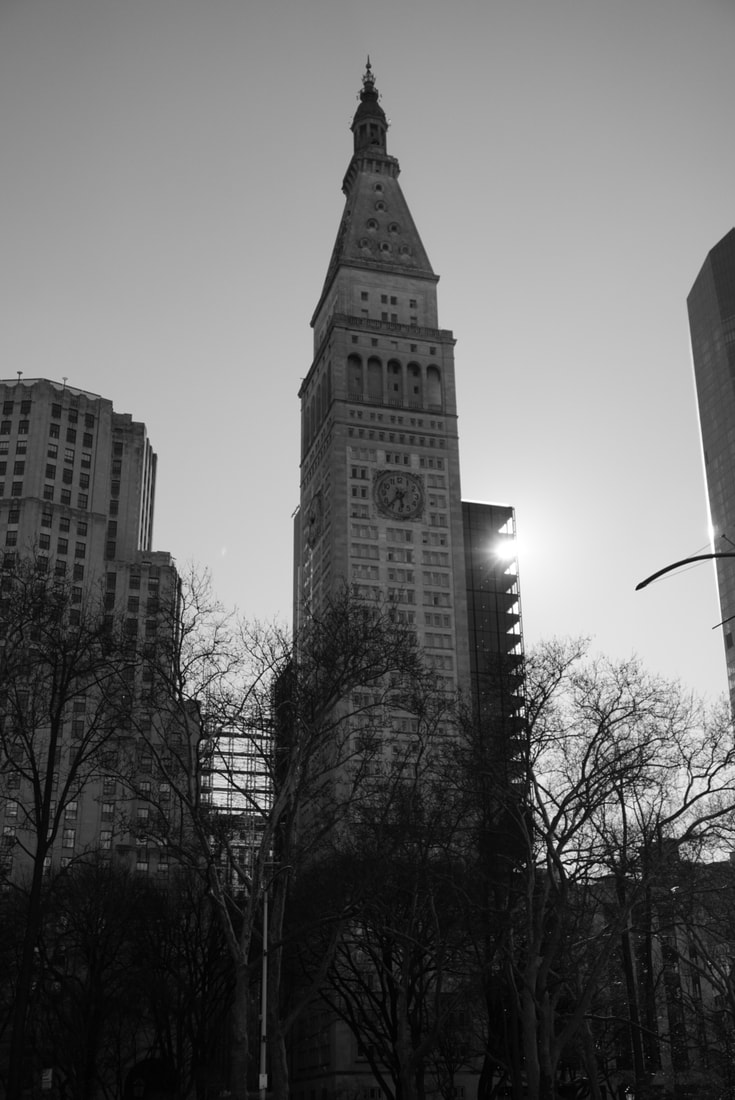
Beyond this, February always is loaded with a lot of things, including my birthday and my daughter's birthday. Swim meets to attend. Workshops to host. And then of course the weather is starting to make us think of Spring and warmer days and more sunshine - the 10 darkest weeks of the year are behind us! And for me, this means fending off the lure of leaving the keyboard and sneaking out for a ride in the woods. This year has shaped up to be pretty much all of the same. I am a little behind in my monthly newsletter, but already this month, aside from the birthdays and great weather, I have also had a college reunion, been to NYC (see notes below), had 7 full supplier presentations, hosted a major wine gala, planned something like 16 dinner and tasting events - executing 6 already this month, and on and on. So apologies if this is a few days late, but here are the upcoming reminders and notes from NEWA to keep in mind for your planning and educational needs... Feb 10 - Level 3 Wine Workshop Hartford 9:30 - 3:00 pm. This is the quarterly workshop I host for all Level 3 candidates. It is the best opportunity to get to taste and learn with me directly for this course. We cover multiple flights of wine all designed to help you calibrate to the WSET tasting style as well as give you a primer on the exam and what to expect for this. We also cover some theory as it relates to tasting. Open to all students currently enrolled in a Level 3 course, or anyone wishing to experience the WSET Level 3 Systematic Approach To Tasting. We always have extra room. Use this link to sign up if you are not already attending. Next workshop will be May 4. Enrollment Deadlines Please use this link to find access to the enrollment pages for each of the classes listed below WSET Level 1 Wine Class running Feb 19, 2024 > Mar 17, 2024 (enrollment deadline Feb 11) Class running Mar 4, 2024 > Mar 31, 2024 (enrollment deadline Feb 24) WSET Level 2 Wine Class running Feb 19, 2024 > Mar 24, 2024 (enrollment deadline Feb 11) Class running Mar 4, 2024 > Apr 7, 2024 (enrollment deadline Feb 24) WSET Level 3 Wine Class starting Feb 19, 2024 > Apr 21, 2024 (enrollment deadline Feb 11) Class starting Mar 11, 2024 > May 12, 2024 (enrollment deadline Mar 2) WSET Level 1 Spirits Class starting Mar 4, 2024 > Mar 31, 2024 (enrollment deadline Feb 24) WSET Level 2 Spirits Class starting Mar 18, 2024 > Apr 21, 2024 (enrollment deadline Mar 9) WSET Level 3 Spirits Class starting Apr 8, 2024 > Jun 9, 2024 (enrollment deadline Mar 30) 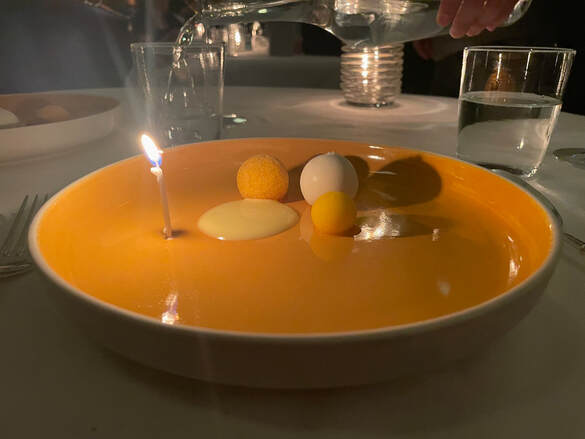 My Birthday candle at Eleven Madison Park Dinner last night at Eleven Madison Park. Had the full tasting menu with standard wines pairings. Every dish was deeply layered with aromas, flavors, and textures that pulled you in. I really tried not to take (too many) pictures, but we did write notes and attempted to keep track as best as possible to the descriptions. Often there were just too many ingredients or references to catch on the first run-downs by the service persons. I wanted to enjoy the experience without being too concerned with reporting, but sometimes I can't help myself. Anyway... The highlight for us may have been the opening “tea” (I believe called - A Celebration of Onion) which was so concentrated with onions, leeks, rice, jalapeño, and a few other ingredients. I could have just had this all night. And from there through the dessert it was a series of dishes that were as visually pleasing as they were on the palate. The wines for the most part were spot on. Selections from Italy, Spain, France (Champagne and Loire), everything was for the most part subtle and well considered. I found one course was not entirely to my taste from a pairing point of view, as the wine and the dish were independently delicious, but together they sort of clashed and the components canceled each other a bit. Elio Altare Barbera d’Alba is just a massive example of this grape - despite the Somm's insistence that it was "very juicy". There is acidity in this wine, but the spices and bitter aspects in the dish compounded against the tannin (yes tannin) in the Barbera and made each taste stiff and angular, and quite frankly dull, when in combination. Being picky here, but after the food cleared our palates the wine shined again. A simpler wine might have accomplished the goal. Oh, and I did get served one wine that was corked and had to return. It was kind of a shocking little lapse of service to put that wine out, especially considering the fact that our entire meal was monitored by an army of highly trained and attentive service pros. Minor bumps in an altogether fantastic evening. My afterthoughts on the food were a little mixed. Everything was outstanding - not a question on that front. But sometimes I think you can overwork the "art" and overwork things that were perhaps best left a bit simpler. I thought some of the dishes just had one or two, too many elements. Many dishes combined cuisines or ingredient inspirations from varied cultural influences, and on a couple of occasions this simply fell a little flat for me. Just one or two ingredients in the dish. As a whole concept, though, this was an extraordinary experience with too many ingredients to keep track of. PS: the bread service is better than they say. So good we had it twice. One of the handicaps that I have with working in the wine business, is that I know what the wines are and what they cost. So when I went to EMP, I was expecting to be wowed by the wine pairings (we had the standard pairing, not the reserve), and I think in general, I was simply pleased. No real surprises, just very good wines. As mentioned above, the wines were well considered especially with the style of the food, but when I did the math, there is a fair amount of serious profit in the wine pairing flights per the charge ($145pp), especially when you take into account the ~ 2oz pours. Don't get me wrong, the pour volumes were spot on and there are no complaints about that. All I am saying is that for the amount poured, there was a lot of margin. But that is to be expected, I suppose. The regular wine list is 229 pages, so feel free to order bottles if you like. The top tasting wine of the flight for me was the first served - Gatinois Champagne, a very good mid-priced Champagne made from GC vineyards in Aÿ. Absolutely delish. By the way, EMP is entirely vegan, if you were not aware. We need more restaurants of this nature in the world.
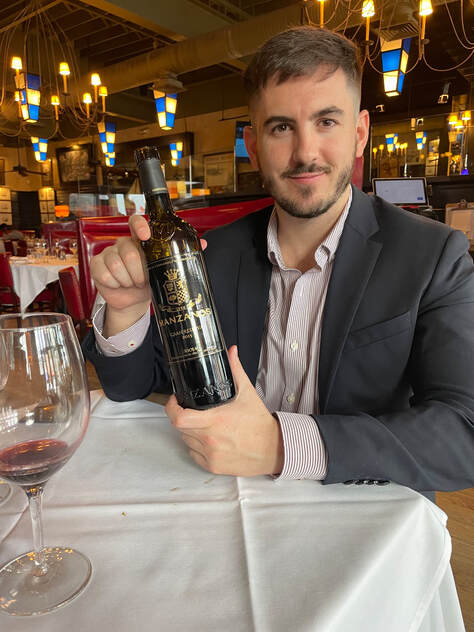 This past week Enrique Olmedo joined me for an event and helped to host a luncheon featuring the wines from Bodegas Manzanos, which is located in Rioja, Spain. Selected wines from several of the properties or labels under the Manzanos labels were featured.
There is a long history with Bodegas Manzanos (see the website for full details) with the original winery being founded in 1801. The group now has estates, vineyards and holdings across Rioja and Navarra (located just to the east of Rioja), and in general produce many wines of very traditional styling. One of the things I learned from Enrique in our conversation was that they currently have vintages of Gran Reserva dating back to 1947 - yeah - 77 years! I have said many times that I believe Gran Reserva Rioja to be one of the singular best value wine categories in the entire wine world. You can routinely find current and library vintages that are not expensive - like seriously not expensive - especially when you take into account the age, the drinkability, and general fantastic style of these wines. Gran Reservas are aged a minimum of 5 years in a combination of wood and bottle prior to release, but this is only a minimum. The current Manzanos Gran Reserva is from 2015, and is delicious - but retail on this 9 year old wine is about $35. You don't get that from California, Bordeaux, Italy - anywhere really. Pro tip - get some Rioja Gran Reserva. As a side note, we tasted wines at the event from Navarra under the Las Campanas label, and from Rioja under the Bercero and Manzanos labels. At the conclusion of the event I sat with Enrique and he was kind enough to give me a few minutes to answer 5 Questions... Before we get started, tell me how you got your start in the wine business... EO Actually, my first job in the wine business was as an intern working in Warsaw, Poland for the Spanish Embassy, there, and I was in charge of the Food and Beverage Department. We were in the embassy in the Economic Chamber. It was helping Spanish companies to make business in Poland, in general. I was in charge of food and beverage, and it was mostly wine. We organized a lot of wine tastings and trade shows for Spanish wineries in Poland. So that was my first experience in the wine business. Then I went to Chile, and then later I started working for Manzanos - they wanted people to work in the U.S. Ok, that is the first time I have ever had someone tell me they started in the wine business in Poland - that's interesting. Have you had any formal wine training, such as WSET, Masters of Wine courses, or similar - or have you just learned as you have worked? EO Not really. I just learned along the way. I was passionate since I was pretty young and I learned by myself. Did you ever work in restaurants or wine shops or anything connected to the wine business before going to Poland and working that government internship? EO Not really. I had worked very occasionally in my home town but it was really in the tastings in Poland that I learned about wines and then along the way. Outside of Rioja, where you/your winery is based, is there a style or type of wine that you like personally? EO Outside of Rioja, I really like Jumilla in southeast Spain. Also, I like Priorat. Anything outside of Spain? I really like Malbecs. Chilean wines such as good Carménère. I was living there so I became fond of them. So Malbec and Carménère are interesting because they are not super mainstream, at least here in the U.S. Obviously Malbec is more popular and we sell a good amount, but with Carménère we sell less by far. What do you like about Carménère? Is it something you can relate back to wines from Spain or is it because of a unique identity? So, it is very unique, and to be honest I really like the story of how they thought is was extinct, but then they realized a lot of their Merlot was actually Carménère. Thinking of your personal tastes, outside of your portfolio, on a Tuesday night - what do you like to drink? EO I don't want to sound too nationalistic, but to be honest I really like to stick with what is grown in Spain. Any region really. Depending on my mood, I like wines sometimes from Ribera del Duero, Priorat, Jumilla, as I said before. You have a lot of great wines in Spain - you don't have to apologize... Not much is available in the U.S., but Granada wines (DOP in the south of Spain in the region of Andalusia) I really go for. High altitude wines and they are delicious local production. If you can find one they are really delicious. How about cocktails? Spain is famous for cocktails - do you go for them, ever? Yeah, I stick with classics. My cocktail go-to would be a gin and tonic. Now. I am getting used to the espresso martinis (you and everybody else) here in the U.S. So not the Tuesday night wine, but in the past six months or so, what is the most memorable wine you have tasted? Anything stand out for being exceptional, rare, older, or just unique? EO Yeah, yeah...we have wines from Manzanos from 1947 to 1989. Not every vintage, of course, but we have many older vintages. All in the Gran Reserva category. You sell those? I'd like to get that list... Yes, we even submitted the 1961 to Wine Enthusiast and receive 96 point, so that gives you a reference. So, you have tasted some of these? Yes, I tasted that one - the 1961. Phenomenal. So at this point that would be 63 years old - that is pretty cool to get to taste something that old and from a completely different era. Yes, pretty amazing. Ok, that's it - thank you very much. I really appreciate you taking some time and giving me a chance to learn about you and the wines, as well as attending the event today. https://bodegasmanzanos.com As a side note, a few facts about the wines from Granada, or as they are officially referred to... D.O Vinos de Calidad de Granada
Authorized varieties for DOP Granada Wine: White Varieties:
|
ABOUT THE Author
Brian Mitchell runs The New England Wine Academy, and is responsible for the content of this blog. With 30 years of drinks industry experience, Brian has learned a few things, but everyday he is learning more. This blog helps to bring that knowledge to you. Archives
July 2024
Categories
All
|

 RSS Feed

Copyright 2018 > 2024 by New England Wine Academy, LLC
we advocate making responsible decisions
we advocate making responsible decisions